Happy Days Ahead Retro SVG Review
I have spent years reviewing machine embroidery design files for both personal projects and client work. There is a distinct difference between a file that looks good on a screen and one that actually translates well into thread. When I first opened the package for the Happy Days Ahead Retro SVG, my immediate thought was about the mood it sets. It isn't just a collection of pixels; it carries a specific vintage energy that feels perfect for the current craze in nostalgic aesthetics.
This review focuses on how this design performs when moved from a digital preview to a real-world embroidery project. Whether you are an Etsy seller looking to boost your shop or a hobbyist making gifts, understanding the practical application of this embroidery file is crucial before you hit the start button on your machine.
The First Impression: Mood and Visual Personality
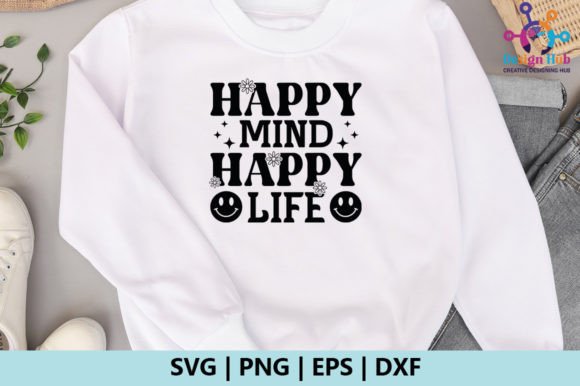
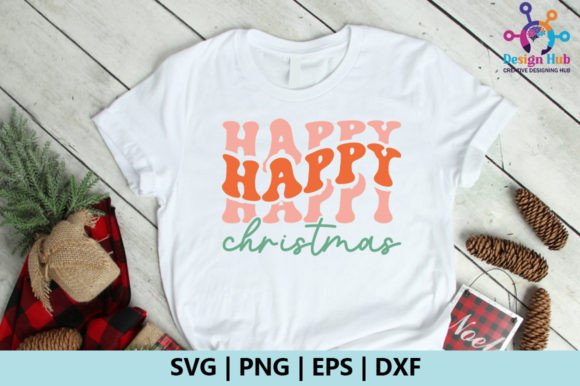
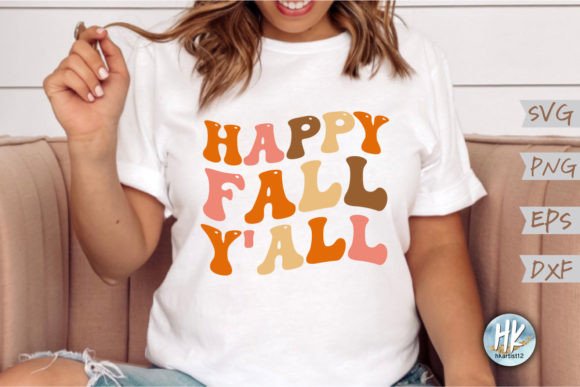
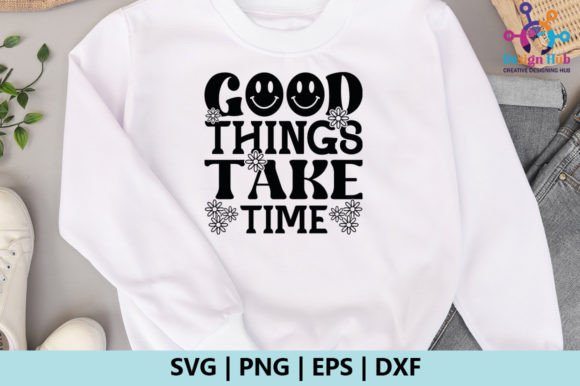
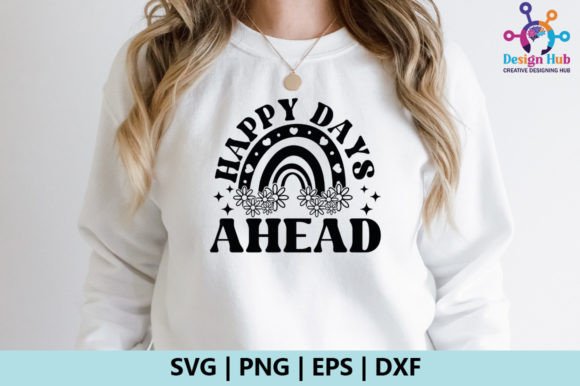
The Happy Days Ahead Retro SVG exudes a warm, optimistic vibe. The retro styling suggests a time capsule feel, which immediately makes me think of classic diner signs, vintage t-shirts, and old-fashioned nursery decor. As a designer, I look for layouts that balance detail with readability, and this design manages to capture that 70s or 80s aesthetic without becoming cluttered.
The vector quality is apparent right away. Because the product description confirms it includes high-quality vector files like SVG, EPS, and DXF, scaling the design is seamless. You can shrink it down for a baby onesie or expand it for a large tote bag without losing the crisp edges that define the retro look. This flexibility is essential for any craft business owner who needs to adapt assets for different products.
Real-World Application: From Screen to Stitch
Let's imagine a scenario. I am preparing a custom order for a boutique client who wants a line of aprons for a local coffee shop. They want something cheerful but professional. The Happy Days Ahead Retro SVG fits this brief perfectly. The typography is bold enough to be read from a distance, yet the curves give it a friendly, approachable touch.
When I transferred this design to a heavy cotton canvas for the apron, the results were promising. The layout works exceptionally well on flat surfaces where there is ample space for the text to breathe. However, not every surface is created equal. If I were to attempt this on a fitted cap or a curved sweatshirt pocket, I would need to be very careful with the tension settings. Curved surfaces often distort text, and while the retro font has character, it requires a stable foundation to maintain its integrity.
For personalized gifts, this design shines. Imagine adding a family name above or below the phrase "Happy Days Ahead" on a quilted blanket or a pillow cover. The contrast between the bold statement and the soft fabric texture creates a tactile experience that customers love. It elevates a simple handmade item into something that feels curated and thoughtful.
Navigating Fabric and Texture Challenges
Not all fabrics play nice with every design. The Happy Days Ahead Retro SVG relies on clear lines and defined shapes. On textured fabrics like chunky bouclé or raw denim, the details might get lost in the weave. In these cases, using a high-density satin stitch could help anchor the design, but it also adds stiffness to the garment.
I also had to consider the color palette. The retro theme usually pairs well with muted tones like mustard yellow, burnt orange, or teal. However, if you are working with dark fabric, the thread choice becomes critical. Light threads on dark backgrounds require excellent coverage. If the stitch density of the fill areas is too low, you will see the fabric peeking through, which ruins the clean look of the retro aesthetic. Conversely, if the density is too high, you risk puckering, especially on thin materials like jersey or light linen.
For commercial embroidery projects involving frequent washing, such as uniforms or durable workwear, I recommend testing the durability of the stitches. Dense fill areas can sometimes trap lint or wear down faster than running stitches. Always ensure you are using the correct stabilizer for the fabric weight to prevent shifting during the wash cycle.
Where to Use It Carefully
While this design is versatile, there are specific scenarios where caution is advised:
- Small Hoop Sizes: If the design is too intricate for a small hoop (like 4x4 inches), the spacing between letters may become too tight, leading to thread breaks or a crowded appearance.
- Stretchy Fabrics: On highly stretchy materials like athletic wear, the design needs a strong backing stabilizer to prevent distortion after the fabric stretches during wear.
- Detailed Corners: If the retro style includes fine serifs or tiny decorative elements, these might not hold up well on rough textures or when stitched at a very small scale.
- Layered Garments: Embroidering over seams or zippers can cause needle deflection, ruining the alignment of the text.
Impact on Product Value and Brand Consistency
In the world of Etsy sellers and small shop products, presentation is everything. A well-executed embroidery design signals quality and attention to detail. The Happy Days Ahead Retro SVG offers a professional finish that can increase the perceived value of your finished product. Customers are willing to pay more for items that look polished and intentional.
The versatility of the included formats—SVG, PNG, EPS, and DXF—means you can use this asset across various platforms. You can create printable mockups for your online listings using the PNG or vector versions, giving buyers a clear idea of what the final finished product will look like. This transparency builds trust and reduces return rates caused by mismatched expectations.
Furthermore, the retro theme is timeless. Unlike fleeting trends that fade quickly, vintage-inspired designs often have staying power. This makes the design a smart investment for design assets intended for long-term commercial use. It allows you to build a cohesive brand identity around nostalgia and warmth.
Practical Designer Notes for Success
Before you commit to a full production run, always follow these best practices:
- Test on Scrap Fabric: Run a test stitch on a scrap piece of the same fabric you plan to use. This helps you gauge thread tension and stabilizer requirements.
- Check Thread Color Contrast: Ensure the thread colors chosen provide enough contrast against the fabric background to make the text legible.
- Review Stitch Density: Adjust the density settings in your software if the design looks too sparse or too dense for the specific material.
- Confirm Licensing: Even though the file is a digital embroidery file, verify the licensing terms if you intend to sell the finished items commercially. Some creators restrict commercial use unless a specific license is purchased.
- Inspect Small Details: Zoom in on the vector file to ensure no paths are broken or overlapping incorrectly, which can cause stitching errors.
The Happy Days Ahead Retro SVG is a solid addition to any embroidery project library. It strikes a balance between artistic flair and technical feasibility. By understanding its strengths and limitations, you can leverage this design to create beautiful, high-quality items that resonate with customers. Whether you are crafting a tote bag design, creating holiday embroidery pieces, or developing a line of baby embroidery apparel, this file provides a reliable foundation for your creativity.
Remember, the success of a handmade product often lies in the details. Taking the time to properly prepare and execute the design ensures that the final result lives up to the promise of the "happy days" it promises to bring.