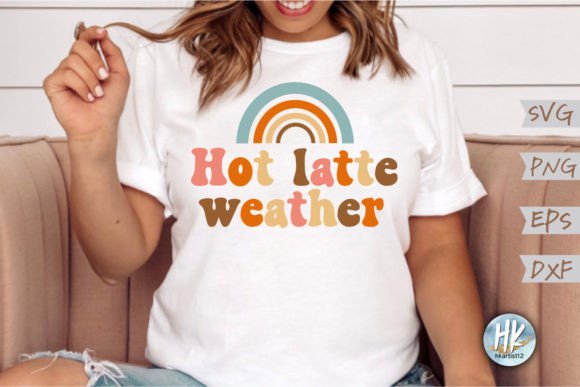
Hot Latte Weather Retro SVG Review
There is a specific moment in the design process where a file stops being just pixels and becomes a tangible product. As someone who has spent years evaluating digital assets for both personal crafting and commercial embroidery lines, I have learned to look past the marketing fluff and judge a design by how it behaves under the needle. When I first opened the Hot Latte Weather Retro SVG, my initial reaction wasn't about the file formats or the download speed; it was about the mood. The retro aesthetic immediately evokes a sense of cozy nostalgia, perfect for the transition from summer heat to crisp autumn air. But does this visual promise hold up when translated into thread? That is the question that matters most for any serious maker.
The First Stitch: Visual Personality and Layout
The strength of the Hot Latte Weather Retro SVG lies in its simplicity and thematic clarity. It captures the essence of a fall morning without needing excessive detail that might get lost in stitching. For an embroidery designer, layout is everything. A design that looks good on a screen often fails miserably on fabric if the spacing isn't considered. This particular piece feels balanced, with enough negative space to allow the stitches to breathe. It screams "handmade" rather than "mass-produced," which is a crucial distinction for boutique branding and Etsy sellers looking to stand out.
The retro vibe suggests a playful yet warm tone, making it versatile for various applications. Whether you are creating a custom sweatshirt for a local coffee shop staff or a personalized gift for a grandmother, the design carries a personality that connects emotionally with the wearer. However, before you load your machine, you must consider the texture of the final product. The clean lines of the retro style work exceptionally well on smooth fabrics like cotton twill or jersey, but they might struggle on highly textured materials where the stitch definition gets swallowed by the weave.
Real-World Application: From Screen to Tote Bag
To truly test the viability of this design, I imagined a real-world scenario: preparing a limited run of embroidered tote bags for a holiday craft fair. The goal was to create a small shop product that felt cohesive and professional. Using the Hot Latte Weather Retro SVG as the centerpiece, I visualized placing it on a canvas bag alongside a simple satin stitch border. The result would be a functional accessory that customers could use daily, reinforcing brand recognition every time they carried their groceries or books.
In this context, the design performs admirably. The theme fits perfectly with seasonal merchandise, allowing crafters to pivot their inventory quickly as weather changes. Imagine applying this same design to baby clothes for a nursery decor line. The soft, inviting nature of the retro font and imagery translates well to infant apparel, provided the stitch density is adjusted to prevent stiffness. For a handmade product intended for a newborn, comfort is paramount, and a design that is too dense can ruin the drape of the fabric. Here, the balance of the Hot Latte Weather Retro SVG allows for a lighter touch, ensuring the garment remains wearable while still delivering a strong visual statement.
Another practical use case involves creating embroidered patches for jackets or caps. The distinct shape of the design makes it ideal for applique techniques, where the cut-out fabric adds depth to the finished product. If you are an apparel decorator working on corporate swag, this design offers a unique alternative to standard logos. It humanizes the brand, suggesting that the company values creativity and community. However, success here depends heavily on the choice of thread colors. High contrast is essential for legibility, especially on darker backgrounds like navy or black hoodies.
Navigating Technical Challenges and Limitations
While the potential is high, no single design is a magic bullet for every situation. There are specific scenarios where using the Hot Latte Weather Retro SVG requires caution. Small hoop sizes present a significant challenge. If you attempt to stitch this design on a tiny patch or a child's bib, fine details may become indistinct. The curves of the retro lettering need room to execute properly; otherwise, the satin stitch will bunch up, creating an unprofessional finish.
Stretchy fabrics also demand careful consideration. Embroidery on knit materials like t-shirts or leggings can lead to puckering if the stabilizer isn't chosen correctly. The design itself does not account for fabric stretch, so the burden falls on the embroiderer to select a proper tear-away or cut-away stabilizer to maintain the integrity of the image. Similarly, thin fabrics like silk or lightweight linen may not support the weight of the stitches required for this design. In such cases, the design might pull the fabric out of alignment, ruining the aesthetic appeal and potentially damaging the material.
Dense stitch areas are another pitfall to watch for. While the design appears simple, certain elements might require fill stitches that add bulk. On curved surfaces like baseball caps, this bulk can cause the design to sit unevenly, detracting from the overall presentation. If you are selling these items as part of a commercial embroidery business, inconsistent placement or poor stitch quality can erode customer trust. Buyers expect a polished look, and any visible flaws in the stitching can make a handmade product feel cheap.
Design Notes for the Professional Maker
Before committing to a full production run, there are several critical steps every designer should take. First and foremost, always test the design on scrap fabric. This simple step reveals issues with tension, thread breakage, or color clashes that aren't obvious in a digital mockup. Check the thread color contrast against your intended background; a light-colored design on a dark shirt needs a different thread palette than one on white fabric to ensure visibility.
Review the stitch density carefully. If the design includes large areas of fill stitch, consider reducing the density slightly to prevent the fabric from becoming stiff. Confirm the hoop size matches your project requirements; trying to force a large design into a small hoop is a recipe for disaster. Inspect small details closely, particularly the corners of letters or intricate shapes, to ensure they remain sharp after stitching.
For those creating printable mockups for Etsy listings or digital product previews, testing the design in black and white can help visualize how the value of the finished product will appear. Does the design hold its own without color? If yes, it indicates strong form and structure. Compare light and dark fabric backgrounds to see how the design adapts. Use proper stabilizer for the specific fabric type you are working with; skipping this step is the most common reason for failed embroidery projects.
Finally, confirm licensing terms before selling finished items or digital products. Understanding whether you have the right to use the Hot Latte Weather Retro SVG for commercial purposes is vital for protecting your craft business. Ensure you have the necessary permissions to include this design in your product line, whether it is a physical item or a digital asset sold to other creators.
Ultimately, the Hot Latte Weather Retro SVG is a versatile tool for creative entrepreneurs who understand the nuances of machine embroidery. It offers a charming aesthetic that resonates with buyers looking for authentic, seasonal designs. By approaching it with technical precision and realistic expectations, you can transform a simple digital file into a cherished handmade product that stands out in a crowded market.