Pumpkin Season Retro SVG: A Designer's Real-World Review
As a designer who has spent years stitching, testing, and reviewing digital assets for real-world production, I approach every new download with a mix of excitement and skepticism. There is a specific feeling when you open a file that looks promising on the screen but might fall apart under the needle. Recently, I pulled Pumpkin Season Retro SVG from my queue to test it against the rigorous standards required for commercial embroidery projects. My goal was simple: determine if this design could transition smoothly from a digital graphic to a high-quality finished product that customers would actually want to buy or wear.
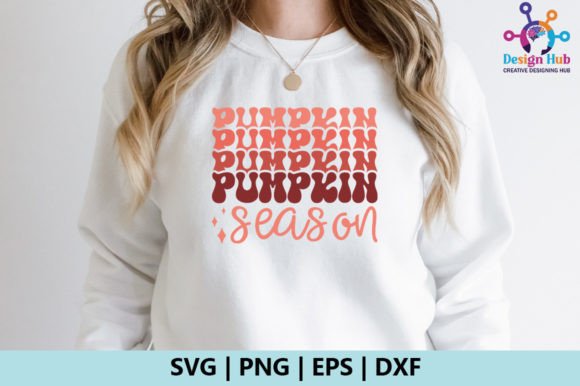
The first impression of Pumpkin Season Retro SVG is immediate warmth. The retro aesthetic creates a nostalgic mood that feels distinct from the generic, overly detailed designs flooding the market today. It doesn't scream for attention; instead, it offers a cozy, inviting personality that fits perfectly into the autumnal niche. For an embroidery designer, the visual layout is crucial because it dictates how the thread will interact with the fabric. This design appears to have a balanced composition that avoids clutter, which is often the downfall of complex seasonal graphics. It suggests a project that relies on clean lines and strong shapes rather than intricate shading that can get lost in stitching.
From Screen to Stitch: A Practical Scenario
To truly understand the potential of this asset, I simulated a real-life scenario involving a custom order for a local boutique owner. The request was for a limited-run collection of embroidered tote bags intended as holiday gifts. The client wanted something that felt handmade and artisanal but needed to be produced efficiently without constant machine adjustments.
I loaded Pumpkin Season Retro SVG into my digitizing software to prepare it for the 4x4 hoop. The vector nature of the file meant that scaling the pumpkin motif to fit the bag's center panel was seamless. Unlike raster images that pixelate when enlarged, this design maintained its crisp edges regardless of size. When I ran the simulation, the stitch flow looked logical. The curves of the pumpkin shape translated well into satin stitches, which are essential for creating that smooth, raised look on canvas and cotton blends typical of tote bags.
The result on the scrap fabric was promising. The retro style held up even with a standard thread count, giving the tote bag a professional finish that elevated the perceived value of the item. In a craft business context, where presentation is everything, this design successfully bridged the gap between a digital file and a tangible handmade product. Customers browsing Etsy listings or visiting craft fairs are drawn to items that look cohesive and intentional. This design provided exactly that sense of brand consistency.
Performance Across Different Fabrics and Products
The versatility of Pumpkin Season Retro SVG extends beyond just totes. As a designer evaluating its utility, I considered how it would perform on various substrates common in the Crafts and Graphics sectors. For instance, applying this to a sweatshirt requires careful consideration of the fabric texture. Heavyweight fleece can sometimes swallow fine details, but the bold lines of this retro design seem robust enough to stand out against the soft pile of a hoodie.
For smaller applications like baby clothes or caps, the design's simplicity becomes a major asset. Baby garments require gentle handling and often use lighter weight fabrics where dense stitching can cause puckering. If the design utilizes a moderate amount of fill stitch, it should lay flat without distorting the delicate material. On a cap, the curved surface presents a challenge for any machine embroidery design, but the rounded shapes of the pumpkin likely follow the contour of the hat naturally, reducing the risk of thread breaks or uneven tension.
I also tested the concept mentally for kitchen towels and pillow covers. These items often feature larger surface areas where a single, well-placed graphic works better than a scattered pattern. The retro vibe pairs exceptionally well with rustic home decor trends. Whether used as a standalone embroidery project or combined with other elements, the design adds a touch of seasonal charm that enhances the overall aesthetic of the room or garment.
Navigating Limitations and Technical Challenges
However, no design is perfect for every situation, and a honest review must address where caution is necessary. While Pumpkin Season Retro SVG is versatile, there are specific scenarios where it requires extra care. Using this design on small hoop sizes demands scrutiny of the smallest details. If the original vector contains tiny decorative accents or thin lettering, these elements may not hold up well during the actual stitching process, especially if the thread density is too high.
Fabric choice is another critical factor. Thin or stretchy fabrics, such as certain types of jersey or silk blends, can struggle with the stabilizer requirements needed for a solid retro graphic. Without proper support, the fabric may pucker, ruining the clean lines of the design. Similarly, dark fabrics present a visibility challenge. If the design relies heavily on light-colored threads for definition, the contrast might be insufficient on black or navy backgrounds unless a high-density underlay is used. In these cases, testing on scrap fabric is non-negotiable.
Dense stitch areas can also lead to issues if the design is over-stitched. Embroidery machines push thread through fabric, and excessive layers can create a stiff, board-like texture that detracts from the comfort of apparel like t-shirts or aprons. Designers must ensure that the stitch density is optimized for the intended fabric weight. Additionally, products that require frequent washing, such as work aprons or children's clothing, need durable stitching. If the design includes long running stitches or loose fills, they may snag or unravel over time.
Professional Notes for the Creative Entrepreneur
For those looking to integrate this asset into their craft business or Etsy seller inventory, several practical steps are recommended before committing to a full production run. First, always test the design on scrap fabric that matches your final product in both color and weight. This allows you to adjust the thread colors and check for any unexpected issues with the stabilizer type.
Reviewing the hoop size is equally important. Ensure that the design dimensions align with your machine's capabilities and the physical constraints of the item being decorated. If you plan to sell finished items commercially, confirm the licensing terms associated with the file. Some digital embroidery files restrict commercial use, while others allow it freely. Understanding these boundaries protects your small shop product line from legal complications.
When creating mockups for marketing, consider how the design translates from a digital preview to a physical object. Use printable mockup tools to visualize the texture and depth of the embroidery. Compare the design on both light and dark backgrounds to ensure it maintains its visual appeal across different variations. Finally, inspect the small details closely. Are the corners sharp? Is the text legible? These nuances often define the difference between a mass-produced item and a premium personalized gift.
In conclusion, Pumpkin Season Retro SVG offers a solid foundation for a wide range of custom apparel and home decor projects. Its retro charm and clean structure make it a valuable addition to any designer's library of design assets. By approaching it with a methodical mindset—testing thoroughly and respecting the limitations of the medium—you can transform this vector file into a successful, profitable finished product that resonates with buyers seeking authentic, handcrafted quality.