Thankful Retro SVG: A Designer's Real-World Embroidery Review
As someone who has spent years turning digital files into tangible, stitched treasures, I approach every new design asset with a mix of excitement and skepticism. When I first opened the package for Thankful Retro SVG, my immediate reaction wasn't about the file formats or the vector resolution; it was about the vibe. The design carries a distinct warmth that feels perfectly suited for the current trend of nostalgic, homey aesthetics. It isn't just a collection of pixels or paths; it is a mood board brought to life, promising a finished product that feels both personal and professionally polished.
This review focuses on how this embroidery file performs when moved from the screen to the hoop, specifically looking at its potential for real-world projects like custom apparel, boutique merchandise, and heartfelt gifts. Whether you are an Etsy seller looking to expand your holiday inventory or a hobbyist wanting to upgrade your baby clothes, understanding the practical application of a design is crucial before you ever hit "stitch."
The First Stitch: Visual Personality and Design Integrity
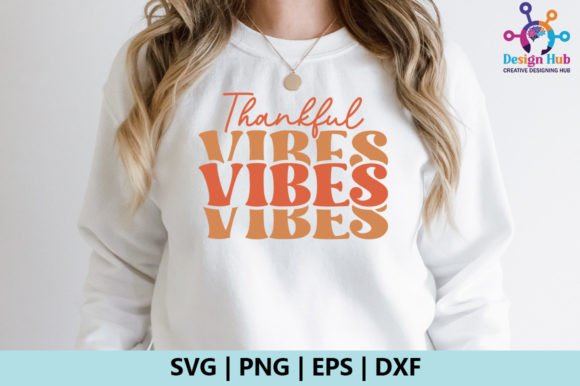
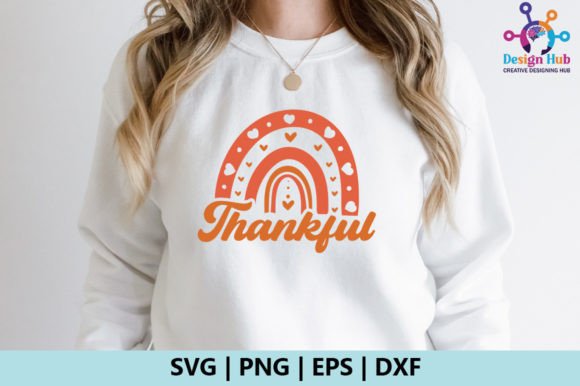
The Thankful Retro SVG exudes a cozy, vintage energy that stands out in a sea of generic typography. The layout suggests a design that works best as a focal point rather than a subtle accent. For a machine embroidery design, the balance between the text and any accompanying graphical elements appears well-proportioned, avoiding the cluttered look that often plagues retro styles. The curves of the letters likely offer smooth transitions, which is essential for maintaining the integrity of the stitch pattern.
In terms of visual appeal, this design bridges the gap between modern minimalism and classic charm. It creates a sense of gratitude and nostalgia that resonates deeply with customers browsing handmade goods. When placed on a neutral background, the retro font style commands attention without shouting. This makes it an excellent choice for custom apparel where the goal is to create a wearable piece of art that tells a story. The clean lines of the vector file suggest that when digitized correctly, the final embroidered patch or garment will have crisp edges and a professional finish.
Real-World Application: From Screen to Sweatshirt
Let's imagine a specific scenario: preparing a line of limited-edition holiday gifts for a small craft business. You need something that appeals to a wide audience but still feels unique. You decide to use the Thankful Retro SVG on heavyweight cotton sweatshirts and canvas tote bags. This is where the true test of a design begins.
For sweatshirt embroidery, the design's size and detail level seem ideal. The retro aesthetic pairs beautifully with the soft texture of fleece or heavy cotton blends. The design would likely translate well onto a chest pocket area or centered on the back, creating a statement piece that customers would be proud to wear. Similarly, for a tote bag design, the sturdy fabric can handle the density required for fill stitches without puckering, provided the correct stabilizer is used. The versatility here is key; the same digital asset can serve as a centerpiece for a kitchen towel, a decorative pillow cover, or even a personalized apron for a coffee shop owner.
I also envision this design thriving in the realm of baby embroidery. The gentle, thankful message combined with the soft retro styling makes it perfect for onesies, bibs, or nursery wall hangings. Parents are always looking for items that convey sentimentality, and a well-executed embroidery project featuring this design would feel like a cherished keepsake rather than just another mass-produced item.
Where Caution is Required: Fabric and Surface Challenges
While the design is versatile, no single file is a magic bullet for every situation. As a designer, I must point out where the Thankful Retro SVG might face challenges. One primary concern is the placement on curved surfaces like baseball caps. While the design looks great flat, stitching a large, detailed retro graphic onto a curved brim or front panel requires precise hooping and potentially multiple setups to avoid distortion. If the design includes fine details or tiny lettering, these could get lost or distorted on the tight curve of a cap.
Another critical factor is fabric texture. On highly textured fabrics like bouclé or thick terry cloth, the definition of the stitches may be compromised. The thread might not lay flat against the bumps of the fabric, leading to a less sharp appearance. Additionally, if you plan to use this for commercial embroidery on stretchy materials like jersey knit, you must be vigilant about using high-quality stabilizers to prevent the design from pulling or warping during wear and washing.
Small hoop sizes present another limitation. If you attempt to downsize the Thankful Retro SVG significantly to fit a small 4x4 inch hoop, you risk losing the nuance of the retro detailing. Dense stitch areas might become too crowded, causing the fabric to pucker or the thread to break. Always verify the minimum recommended size for the design before committing to a small project like a hat patch or a baby bootie.
Impact on Product Value and Brand Consistency
In the world of Etsy sellers and small shop products, the quality of your design directly influences customer trust. A sloppy or poorly digitized design can make a handmade product look cheap, regardless of the price. Conversely, a well-executed Thankful Retro SVG elevates the perceived value of the item. When a customer receives a gift with a clean, professional-looking stitch pattern, they associate that quality with your brand.
The design's ability to maintain clarity across different mediums is vital. Whether you are creating a printable mockup for your online store or showing off a finished product on social media, the vector nature of the file ensures that the image remains sharp. This consistency helps in building a cohesive brand identity. Customers are more likely to engage with a shop that presents a unified, professional aesthetic, and having reliable design assets is the foundation of that presentation.
Practical Notes for the Embroidery Designer
Before you rush to your machine, there are several steps every experienced crafter should take. First and foremost, always test the design on scrap fabric. This allows you to check the thread color contrast and ensure that the stitch density is appropriate for the material you are using. If the design relies heavily on satin stitches, verify that the spacing is sufficient to prevent thread breaks.
Review the file structure carefully. The package includes SVG, PNG, EPS, and DXF files, which offers flexibility for various software and machines. However, do not assume the digitization is perfect for your specific machine. Check the hoop size requirements and confirm whether the design needs a specific type of stabilizer, such as cut-away or tear-away, based on the fabric weight. Inspect small details closely to ensure they won't get lost in the stitching process.
If you intend to sell finished items made with this design, double-check the licensing terms. Some digital embroidery files are for personal use only, while others allow for commercial production. Understanding these rights protects your craft business from legal issues. Also, consider testing the design in black and white mockups to see how the shapes hold up without the distraction of color.
Ultimately, the Thankful Retro SVG is a strong candidate for anyone looking to add a touch of vintage charm to their handmade products. Its adaptable nature and warm aesthetic make it suitable for a wide range of projects, from holiday embroidery to everyday wear. By approaching the project with careful planning and a focus on quality execution, you can turn this digital file into a standout finished product that delights customers and strengthens your brand reputation.