Merry Bright Retro SVG: A Designer's Take on Real-World Embroidery
When I first opened the Merry Bright Retro SVG file, I didn't just see a graphic; I saw a potential bestseller for a holiday boutique. As someone who has spent years stitching custom apparel and reviewing digital assets for commercial use, my first impression was immediate: this design captures that nostalgic, mid-century charm without feeling cluttered. The mood is undeniably warm and inviting, perfect for the cozy aesthetic that dominates current craft trends. However, looking at a vector file is very different from seeing how it translates into thread on fabric.
This review isn't about the download speed or the variety of file formats included. It is about whether this embroidery project can survive the rigors of real-world production. Can it stand up to the wear and tear of a family Christmas sweater? Will it hold its shape on a tote bag carried daily? Let's walk through how Merry Bright Retro SVG performs when we move from the screen to the hoop.
The First Stitch: Visual Personality and Layout
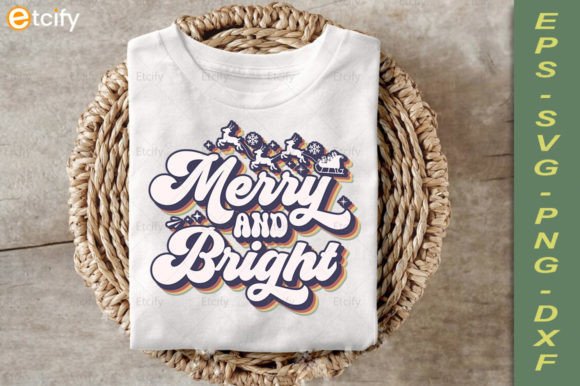
The retro theme here is executed with clean lines and bold shapes, which is exactly what you want for machine embroidery. In my experience, designs with too many intricate details often get lost in the stitch density, but this layout feels balanced. The typography and graphics work together to create a cohesive look that screams "handmade product" rather than mass-produced factory item.
For an Etsy seller or small shop owner, this visual appeal is crucial. Customers buy handmade goods because they value the unique character of the piece. This design offers that character immediately. Whether you are planning a set of matching holiday embroidery gifts or creating a limited-run collection of custom apparel, the retro vibe provides a strong brand identity. It feels professional enough for a high-end boutique yet playful enough for a local craft fair.
A Real-Life Scenario: The Holiday Tote Bag Project
To test the practicality of this design, imagine a scenario where you are preparing a batch of custom embroidered tote bags for a holiday market. You have selected a sturdy canvas fabric, and you want to feature the Merry Bright Retro SVG as the centerpiece. The goal is to create a durable gift that customers will actually use, not just display on a shelf.
When I simulate this process mentally, the design shines. The central placement allows for ample border space, preventing the stitches from cutting off near the edges of the bag. The curves in the retro elements flow well around the natural drape of the tote. Unlike some dense fill stitches that can make fabric pucker on thin materials, this design appears to have a lighter touch, which is essential for maintaining the structure of a canvas tote. If done correctly, the finished product would feel substantial and high-quality, increasing customer trust in your brand.
However, if you were to try applying this same design to a delicate baby onesie, you might need to adjust your approach. The scale of the retro elements needs to be considered carefully against the size of the garment. For a sweatshirt embroidery project, the design would likely be scaled down slightly to fit the chest area perfectly, whereas for a large apron or pillow cover, it could dominate the space beautifully.
Navigating Fabric Challenges and Technical Limits
While the design is versatile, there are specific areas where a designer must exercise caution. Not every surface is created equal. When working with textured fabrics like chunky knits or heavy denim, the stability of the stitch density becomes critical. If the design relies heavily on fine running stitch details, these might disappear into the texture of the fabric.
I also recommend being careful with stretchy fabric. While retro styles often pair well with jersey or knit materials, the tension required for a crisp satin stitch outline can sometimes distort the fabric if not properly stabilized. Using the correct stabilizer is non-negotiable here. Without it, even a simple design can end up looking wavy and unprofessional after washing.
Another tricky area is curved surfaces like caps or hats. The Merry Bright Retro SVG works well on flat surfaces, but transferring it to a curved brim requires a specialized hoop and careful digitizing adjustments. If the original file does not account for the curvature, the lettering might appear stretched or distorted. Similarly, on dark fabrics, you must ensure the thread colors chosen provide enough contrast. A light-colored retro design on black fabric might require a heavier underlay or additional stabilizer layers to prevent the background color from bleeding through the stitches.
Maximizing Value and Professionalism
For those selling finished items, the quality of the embroidery directly impacts the perceived value of the product. A poorly stitched logo can ruin the presentation of a personalized gift, no matter how thoughtful the packaging is. Conversely, a sharp, clean execution of Merry Bright Retro SVG elevates the entire piece.
When clients see a design that holds its shape and has consistent thread coverage, they associate that precision with your overall business standards. This is especially important for commercial embroidery projects where consistency across multiple units is key. If you are producing a line of kitchen towels or baby clothes, the ability to reproduce this design cleanly over and over again will save you time and reduce waste.
The design also lends itself well to printable mockups. Even before you stitch anything, you can visualize how the graphics look on various products. This helps in marketing your craft business online. You can show potential buyers exactly what they are getting, reducing hesitation and increasing conversion rates.
Essential Notes for the Practical Designer
Before you commit to a full production run, there are several steps you should take to ensure success. First, always test the design on scrap fabric. This allows you to check the thread colors and see how the fill stitch interacts with your specific material. You might find that a certain shade of red looks better than another, or that the design needs a slight scaling adjustment.
Review the hoop size requirements. If the design is larger than your standard hoop, you may need to reposition the fabric during stitching, which increases the risk of misalignment. Also, inspect the small details closely. Sometimes, tiny corners or fine lines can become mushy if the machine embroidery design is not optimized for the fabric type. Testing in black and white mockups can help you assess the balance of the design without the distraction of color.
Finally, confirm your licensing terms. If you plan to sell finished products made with this design, ensure that the license permits commercial use. Some digital embroidery files are restricted to personal use only. Understanding these boundaries protects your small shop product line from legal issues.
In conclusion, Merry Bright Retro SVG is a solid choice for designers looking to add a touch of vintage flair to their portfolio. It balances nostalgia with modern usability, making it suitable for everything from embroidered patches to tumbler designs. With careful attention to fabric selection and stabilization, this design can become a staple in your collection of design assets.