Reviewing This the Season to Be Grateful Retro SVG for Real Embroidery
When I first opened the folder for This the Season to Be Grateful Retro SVG, I wasn't looking at a simple digital image. I was already thinking about the needle, the hoop, and the fabric underneath. As a designer who has spent years turning vector files into tangible, stitched products, my first impression is always practical: can this actually hold up under tension? Does the layout translate well from screen to stitch? The answer here is a qualified yes, but only if you understand where this design fits best in your workflow.
The retro aesthetic of This the Season to Be Grateful Retro SVG immediately sets a specific mood. It isn't just text; it carries a vintage personality that feels warm and inviting. In the world of handmade goods, that "vibe" is everything. When I visualize this on a project, I see it perfectly suited for autumn-themed items or holiday gifts. The typography suggests a relaxed, nostalgic feel that resonates with customers looking for something authentic rather than mass-produced. For an Etsy seller or small shop owner, this visual language is a strong asset because it promises a product that feels personal and curated.
Let's talk about a real scenario. Imagine you are preparing a batch of custom embroidered tote bags for a local craft fair. You need something that looks professional but doesn't take hours to stitch. You decide to use This the Season to Be Grateful Retro SVG as the centerpiece. Because the file comes in multiple formats like SVG, PNG, EPS, and DXF, you have flexibility in how you import it into your digitizing software. However, the success of the final embroidery project depends entirely on how you handle the conversion.
If you simply place the vector onto a canvas without adjusting the settings, you risk a disaster. A retro font often relies on thick strokes and tight kerning. If the stitch density is too high, the fabric will pucker, especially on lightweight cotton canvas used for tote bags. Conversely, if the density is too low, the letters might look thin and cheap. My advice is to treat the provided vector as a starting point, not a finished command. You need to manually review the satin stitch paths for the letters. Are they wide enough to cover the fabric texture? Do the corners of the retro curves break down when converted to stitches?
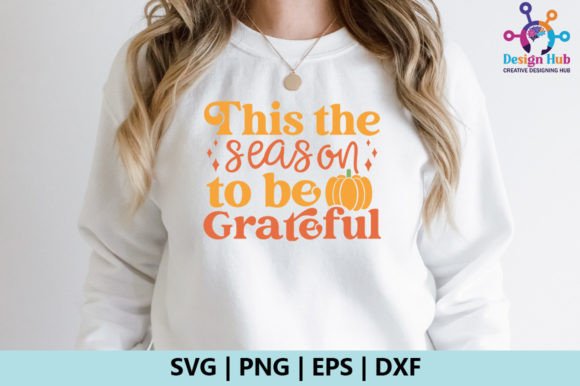
This design also shines when applied to heavier fabrics like sweatshirts or denim jackets. The chunky nature of the retro style complements the texture of these materials. I can easily imagine This the Season to Be Grateful Retro SVG placed on the chest of a cozy pullover, creating a standout piece for winter markets. The contrast between the smooth thread and the rough fabric adds depth that makes the finished product feel more valuable. Customers appreciate this tactile quality, and it helps justify a higher price point for your handmade product.
However, there are places where you should exercise caution. If you plan to use this for custom apparel like baby clothes, you must be mindful of the hoop size. Baby garments require smaller hoops, and if the lettering is dense, you might run out of space. Furthermore, stretchy fabrics like jersey require a different approach. The retro style might look great on paper, but on a stretching material, the embroidery needs to be stable enough to prevent distortion during wear. Always test on scrap fabric first to ensure the stabilizer you choose provides enough support without adding unnecessary bulk.
Another critical factor is the color palette. The description mentions high-quality work, but it does not specify the exact thread colors available in the digitized version. If you are using this for commercial embroidery, you need to ensure the thread choices match your brand identity. A retro design often pairs well with muted tones like mustard yellow, burnt orange, or sage green. If you use bright, neon threads, you might lose the vintage charm that makes this design special. I recommend creating a few mockups in black and white first to check the legibility of the shapes before committing to expensive thread colors.
For those selling digital embroidery files or creating printable mockups for their shops, this design offers excellent versatility. The clean vector lines make it easy to resize for various applications, from large patches to tiny apron details. But remember, a digital product seller must also consider licensing. Before you sell finished items featuring This the Season to Be Grateful Retro SVG, double-check the terms. Some designs allow commercial use, while others restrict you to personal projects. Assuming you have the rights is a fast way to get into trouble with legal issues later.
When designing for holidays, timing is key. This design naturally fits the fall season, but it could also work for general gratitude themes year-round. I've seen similar styles used on kitchen towels and pillow covers with great success. The text "This the Season to Be Grateful" is short enough to fit neatly on a standard 4x4 hoop, making it accessible for hobbyists with entry-level machines. However, if you are working with a larger frame, you might want to add some decorative elements around the text to balance the composition. A simple border or some scattered leaves can elevate the design from a simple text placement to a full embroidery design masterpiece.
One thing to watch out for is the fabric texture. If you are embroidering on a very textured surface like a heavy wool blanket, the fine details of the retro font might get lost. In such cases, simplifying the design slightly by removing intricate serifs or reducing the number of running stitch accents can improve clarity. The goal is to ensure the message is readable from a distance. If a customer has to squint to read the text on a gift, the impact is diminished.
Ultimately, This the Season to Be Grateful Retro SVG is a solid tool for any creative entrepreneur. It strikes a balance between style and usability. It works well for small shop products that need to stand out on social media, where the retro aesthetic catches the eye quickly. Whether you are making personalized gifts for friends or building a catalog for your online store, this design provides a reliable foundation. Just remember that the magic happens in the execution. Take the time to adjust the thread colors, select the right stabilizer, and test the stitch density on your specific machine.
By approaching this file with a critical eye and a willingness to tweak the settings, you can transform a simple vector into a premium finished product. The potential for craft business growth is there, but it requires patience and attention to detail. Don't just rush to hit the start button; take a moment to appreciate the design, understand its limitations, and then bring it to life with care. That is the secret to creating items that people actually want to keep and cherish.